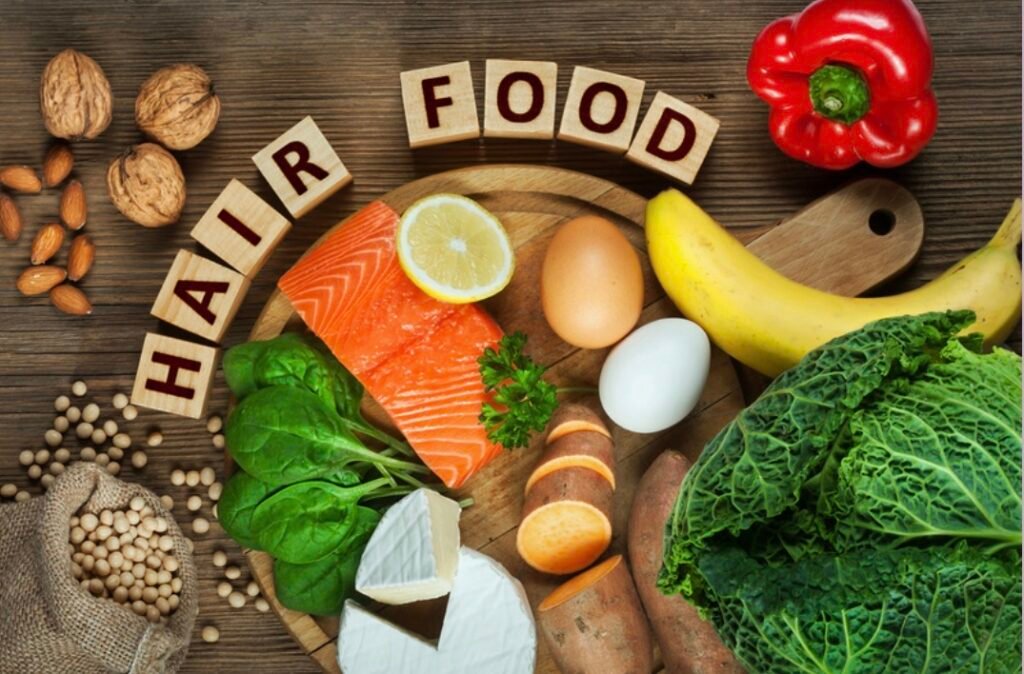
If you’ve been focusing only on external treatments, you may be overlooking one of the most important factors in hair growth. The reality is that healthy, strong hair begins from within in fact, while oils, serums, and scalp care can enhance results, it’s your diet that truly nourishes your hair at the root.
Understanding the connection between nutrition and hair health can completely change the way your hair looks, feels and grows.
How Your Diet Affects Hair Growth
Hair follicles are among the most active cells in the body, which means they require a constant supply of nutrients to function properly. When your body lacks essential vitamins and minerals, it prioritizes vital organs over hair growth and this is why poor nutrition often leads to slow growth, thinning, dullness or excessive shedding.
On the other hand, a nutrient-rich diet helps keep the hair growth cycle strong and consistent, supporting thicker and more resilient strands over time.
The Most Important Nutrients for Healthy Hair
To support hair growth naturally your diet should include a variety of key nutrients:
Protein – The Building Block of Hair :
Hair is made of keratin, a structural protein, and it relies on that to grow and stay strong. Without enough protein, strands can became weaker, thinner and more prone to breakage and, to avoid that, you should implement regulary in your diet foods like eggs, chicken, fish, tofu, lean meats and legumes.
Iron – For Oxygen and Strength :
Iron is an essential mineral that helps carry oxygen to your hair follicles; low levels of this element are one of the most common causes of hair thinning and shedding. Great sources include spinach, lentils, red meat, and seeds.
Biotin (Vitamin B7) – For Growth and Thickness :
Biotin plays an important role in the production of keratin, the protein that gives hair its structure. You can find it in foods like nuts, seeds, whole grains, and bananas.
Omega-3 Fatty Acids – For a Healthy Scalp :
Omega-3 fatty acids help nourish the scalp and create the ideal environment for healthy hair growth. They support hydration, reduce dryness, and can help keep both your scalp and strands looking softer and more vibrant. You can boost your intake by adding foods like salmon, walnuts, chia seeds, and flaxseeds to your meals.
Vitamin D – For Hair Cycle Regulation☀️:
Vitamin D plays an important role in regulating the hair growth cycle and maintaining healthy follicles. When levels are too low, hair growth can slow down and shedding may increase. Getting regular sun exposure and including vitamin D–rich foods like fatty fish (such as salmon and mackerel), egg yolks, liver, and fortified foods like milk or plant-based alternatives in your diet can help support stronger, more consistent hair growth over time.
Don’t Underestimate Hydration
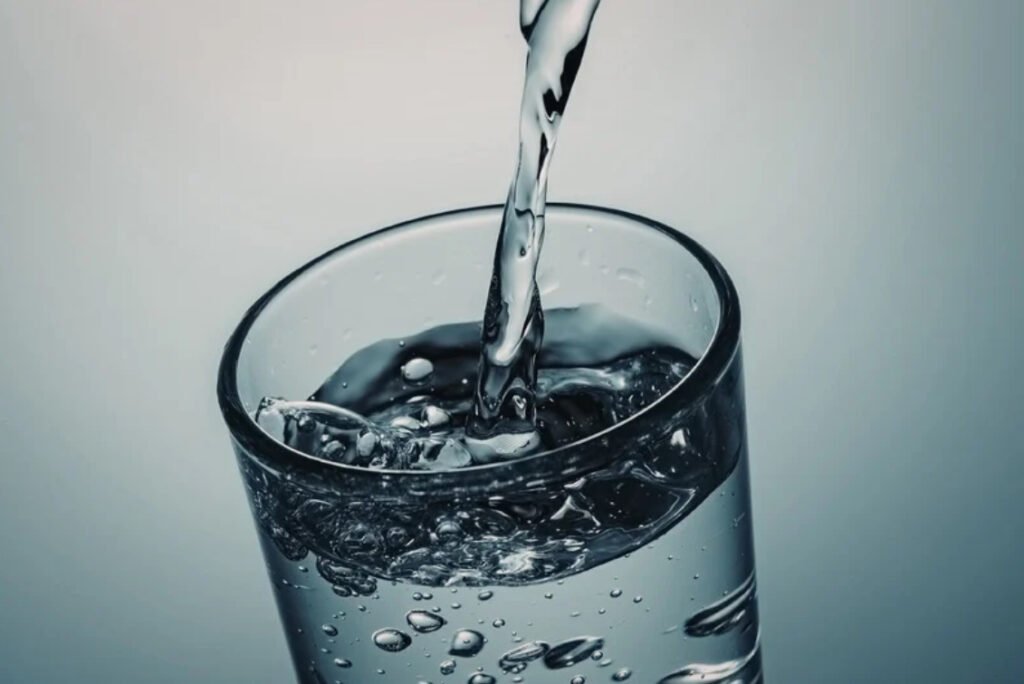
Even the most balanced diet won’t be effective if your body isn’t properly hydrated. Water is essential for transporting nutrients to your hair follicles and supporting healthy growth, in fact when hydration levels drop, hair can become dry, dull, and more prone to breakage.
Proper hydration also helps maintain hair elasticity, making strands stronger and less likely to snap or develop split ends. To support your hair from within you should drink consistently throughout the day — around 1.5 to 2 liters is a good general guideline
You can also boost hydration through water-rich foods like cucumbers, watermelon, and oranges, as well as herbal teas and unsweetened infusions.
So, at the end, without enough water, even the best nutrients can’t do their job effectively.
What to Avoid for Better Hair Growth
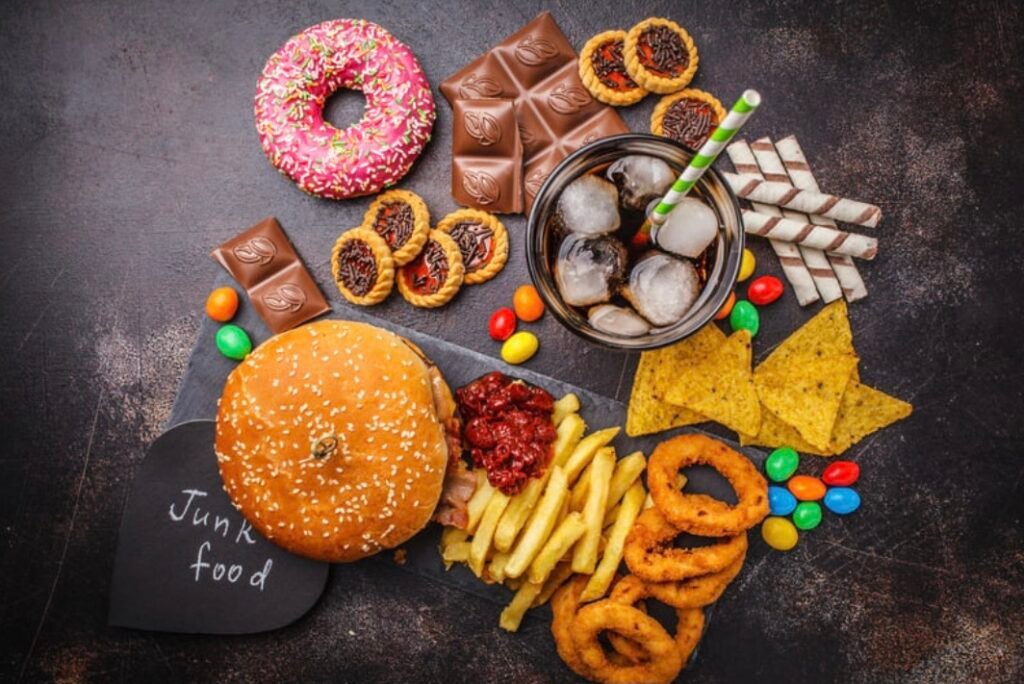
Just as some foods support your hair, others can work against it:
Highly processed foods :
Often low in essential nutrients, they don’t provide your hair with what it needs to grow strong and healthy and overtime relying too much on these foods can lead to weaker, duller strands.
Excess sugar :
High sugar intake can trigger inflammation and affect hormone balance, both of which can negatively impact the hair growth cycle and contribute to thinning or shedding.
Crash dieting or extreme calorie restriction :
When your body doesn’t get enough energy and nutrients, it shifts its focus to vital functions, slowing down or even stopping hair growth and this often leads to increased hair fall and weaker regrowth.
Being mindful of these habits and focusing on a more balanced, nutrient-rich approach can make a real difference in the strength, growth, and overall health of your hair over time.
Combining Nutrition with the Right Hair Routine🌿
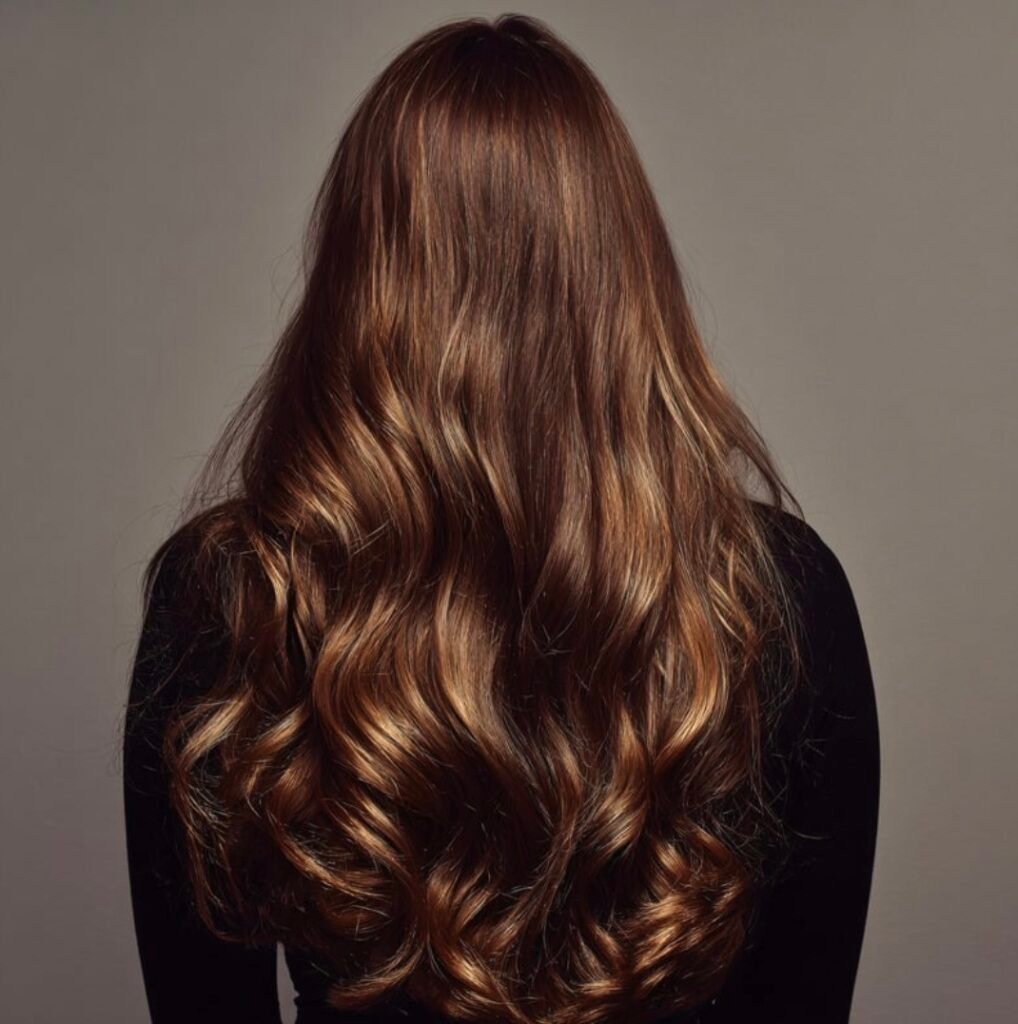
While nutrition builds the foundation, combining it with a smart hair care routine can amplify your results.
For example, using a rosemary oil treatment regularly can help stimulate blood flow to the scalp, supporting the delivery of nutrients directly to your follicles. When paired with a scalp massager, this effect becomes even more powerful, improving circulation while also making your routine feel more relaxing and effective and after washing applying a lightweight hair serum helps protect your hair from daily damage, seal in moisture, and maintain that healthy, glossy look.
If you are ready to take the results to the next level, we’ve selected high-quality products that are already making a difference in many hair routines and are proven to support healthier, stronger hair — don’t miss out and choose what really works here: Products!
These small additions can make a noticeable difference when your internal nutrition is already on point.
Final Thoughts
Healthy hair isn’t just about what you use, it’s about how you live. By combining a balanced diet, proper hydration and a consistent hair care routine, you’re giving your hair everything it needs to grow at its best.
Start fueling your body the right way, support your scalp with the right tools, and let the results speak for themselves.✨