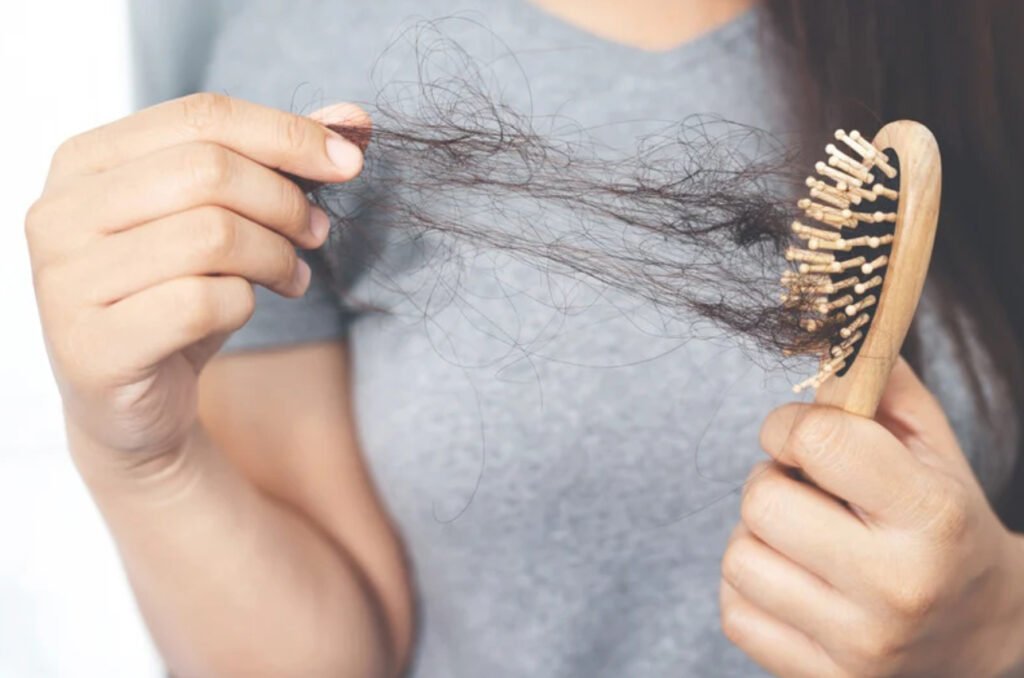
If you’ve been trying to grow your hair but feel like nothing is working, you’re not alone, trust me. Slow growth, thinning hair, and excessive shedding (hair loss) are extremely common and often misunderstood — and this is exactly why we’re here to help you.
The thing most people don’t realize is that hair growth is rarely about one single fix, it’s usually a mix of small factors that build up over time, affecting how strong and healthy your hair looks and grows; the good news is that once you understand what’s really going on, it becomes much easier to support your hair in the right way and start noticing gradual improvement, especially when you focus on scalp health and simple, consistent habits.
If you’re just starting your hair growth journey, this guide is for you.
Why your hair isn’t growing (or keeps falling out)
Hair growth issues rarely have a single cause, in most cases it’s a combination of factors and it’s fundamental to know and understand them to take the right actions. The most common reasons that can bring to hair growth problem are:
1. Poor scalp health
Your scalp is skin, just like facial skin, and because of this it needs to be cleaned, balanced and well-oxygenate, infact when the scalp is not properly cleansed, several issues can occur:
- Buildup of sebum, dead skin cells, and product residue;
- Inflammation around hair follicles;
- Reduced oxygen flow to the follicle.
Over time, a clogged or inflamed scalp can block hair follicles and slow down hair growth and even high-quality oils or treatments won’t work effectively if the scalp is congested. This is why washing the scalp thoroughly is an important and non-negotiable step in any hair growth routine.
2. Reduced blood circulation
Hair follicles are living structures that rely on a steady supply of oxygen,nutrients and blood flow, when circulation is poor, follicles receive fewer nutrients, oxygen and the become weaker over time, and this can:
- Shorten the growth phase (anagen phase);
- Weaken hair at the root;
- Increase shedding.
Scalp circulations can be reduced by some factors, such as chronic stress, tight hairstyles and lack of scalp stimulation.
3. Breakage vs. Growth
One of the most misunderstood hair growth problems is breakage, infact in many cases hair is growing from the scalp but the ends are breaking at the same rate, this creates the illusion that hair isn’t growing at all.
The most common causes of breakage are:
- Dryness and lack of moisture;
- Heat styling;
- Chemical treatments;
- Friction from pillows, towels, and tight accessories;
- Tight hairstyles.
Reducing breakage is just as important as stimulating growth because often people think their hair isn’t growing, when in reality it is growing — but breaking at the same rate due to dryness, friction, or damage.
4. Stress and hormones
Stress plays a much bigger role in hair loss than most people realize, infact high stress levels can push hair follicles prematurely into the telogen (shedding) phase, leading to:
- Increased hair fall;
- Diffuse thinning;
- Slower regrowth.
Hormonal changes (such as postpartum, thyroid imbalance, or androgen sensitivity) can also disrupt the hair growth cycle and, also for that, it si very important to maintain a healthy scalp environment because it helps follicles recover and return to the growth phase more efficiently.
5. Nutrient deficiencies and lifestyle factors
Hair growth can also be slowed and interrupted by deficiencies in nutrients, such as iron, zinc, biotin, protein. This lack can weaken hair structure and cause hair loss and thinning. That’s why it si fondamental to assume all the essential nutrients and fuel your body properly with healty and nutritious food to support hair growth and health.
Lifestyle habits are also a key element that impact hair health, infact poor sleep, restrictive diets and dehydration can really impact hair growth and cause damage to it.
What you can do to support hair growth (without overdoing it)
Before buying dozens of products or stress about infinite routines that require lots of time and money, it’s important to build a foundation; here are the habits that genuinely make a difference:
- Washing your scalp thoroughly to remove buildup;
- Stimulating blood flow to the scalp ;
- Using targeted ingredients that support follicles;
- Reducing friction and breakage during day and night;
- Assume the right nutrients and reduce stress.
In this niche you will find lots of things like silk pillowcases, supplements, and advanced treatments that can help , but you don’t need everything at once, infact, especially if you’re at the beginning, a simple routine works best.
When people experience hair loss or slow growth, they often try too many products at once but they don’t know that this can:
- Irritate the scalp;
- Make it impossible to understand what’s working;
- Reduce consistency.
Starting with a simple, scalp-focused routine allows the hair and scalp to rebalance and helps create the right foundation for healthier hair over time and once you understand what may be slowing your hair growth down, the next step is learning how to properly support your scalp in a way that actually makes a difference.
One natural ingredient in particular has become incredibly popular for supporting healthier-looking hair and hair growth — and when used correctly, it can completely upgrade your routine. In the next article, we’ll show you why everyone is about it and how to use it for the best possible results.
Unlock the missing step that makes the difference for healthy-looking hair : read more!
Final thoughts
Hair growth doesn’t require an overwhelming routine. Starting simple makes it much easier to stay consistent, understand what truly works for your hair, and build a strong foundation that supports long-term results.
Healthy hair starts with healthy habits — and small steps, when done consistently, can make a real difference over time.✨